6 Simple Ways to Add More Movement to a Sedentary Day (2026 Guide)
I didn't realize how little I actually moved until my smartwatch buzzed at 2 p.m. with a notification: 'You've been sitting for 9 hours today.' I had gone to the gym that morning, run 3 miles, and lifted weights—yet my tracker showed I was basically a desk-shaped statue the rest of the time. That was my wake-up call. It turns out that even a solid workout doesn't undo the damage of sitting for hours on end. Here are six simple ways to add more movement to a sedentary day—no gym required, no extra time needed, just small shifts that add up fast.
Why Sitting All Day Is a Problem (Even If You Exercise)
We've all heard sitting is 'the new smoking,' but the science is more nuanced—and more urgent. The CDC notes that prolonged sitting is linked to higher risks of heart disease, type 2 diabetes, and even certain cancers, regardless of whether you exercise daily. The key culprit? NEAT—Non-Exercise Activity Thermogenesis. That's the energy you burn doing everything that isn't sleeping, eating, or formal exercise: fidgeting, walking to the printer, standing while on the phone. When you sit for 8+ hours, your NEAT plummets. A 2018 study in the Annals of Internal Medicine found that people who sat for more than 13 hours a day had a 50% higher risk of death compared to those who sat for less than 11 hours—and exercise didn't erase that risk. The fix isn't more gym time; it's breaking up the sitting itself.
The World Health Organization recommends that adults limit sedentary time and replace it with physical activity of any intensity. But here's the part that clicked for me: even standing still isn't enough. You need movement, not just posture change. That's why the strategies below focus on micro-moves, environment tweaks, and habit stacking—things you can do in under 2 minutes that keep your body active throughout the day.
Micro-Movement Hacks You Can Do At Your Desk
You don't need to leave your chair to add movement. Over the past year, I've tested these at my own desk, and they work because they're invisible to colleagues and take seconds.
- Seated leg lifts: While sitting, slowly straighten one leg until it's parallel to the floor, hold for 5 seconds, then lower. Alternate legs. Do 10 per side every hour. Works your quads and core without anyone noticing.
- Shoulder rolls and neck tilts: Roll your shoulders backward 10 times, then forward 10 times. Then gently tilt your ear toward your shoulder on each side. This relieves tension from hunching and keeps your upper body active.
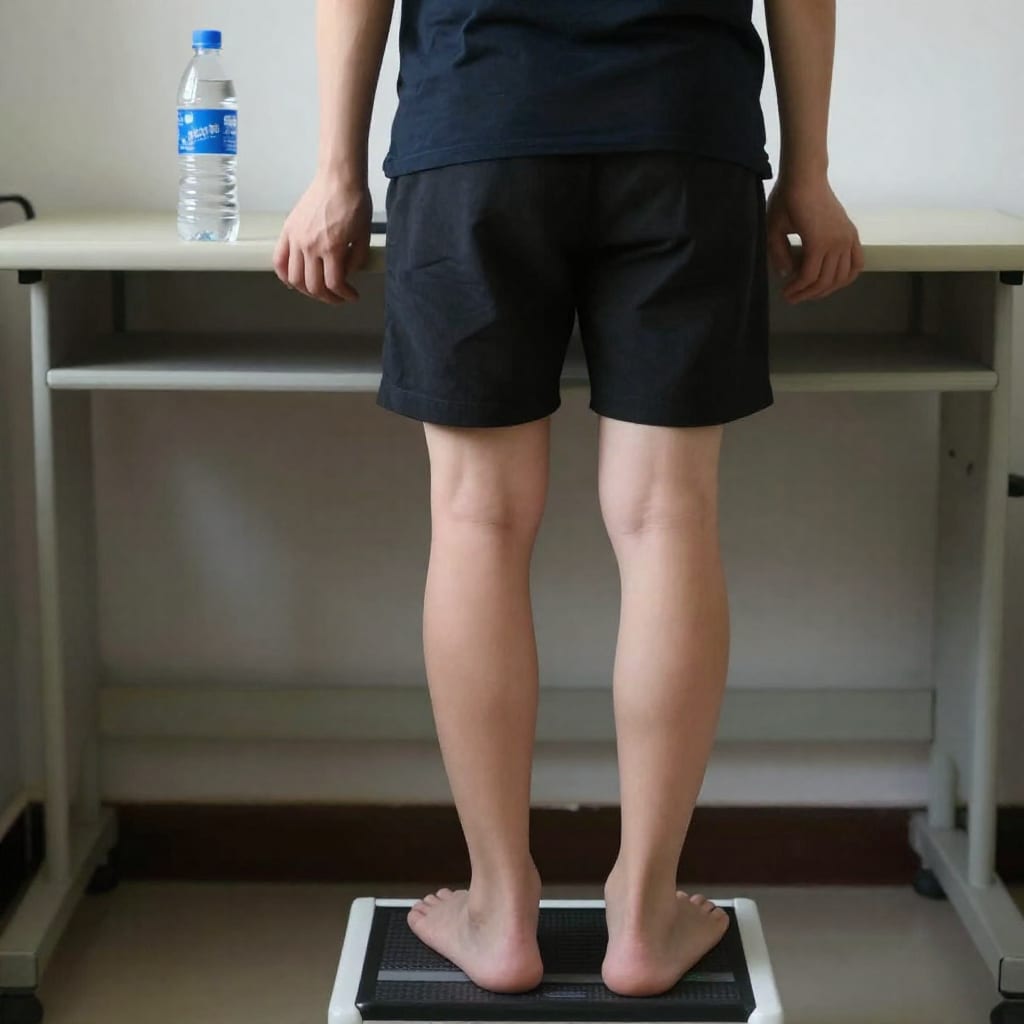
- Standing calf raises: Stand up (even for 30 seconds), hold your desk for balance, and slowly rise onto your tiptoes, then lower. Do 15 reps. This pumps blood back up from your legs, reducing stiffness.
- Chair twists: Sit tall, place your right hand on your left knee, and gently twist your torso to the left. Hold for 15 seconds, then switch. Great for spinal mobility.
- Fidget intentionally: Tap your toes, shift your weight from side to side, or do tiny knee bends while seated. Every little bit counts toward your NEAT.
I set a recurring calendar reminder that says 'Move for 2 minutes' and I do two of these exercises each time. It takes less time than scrolling social media, and I genuinely feel less stiff by 5 p.m.
Redesign Your Workspace to Force More Movement
The best way to move more is to make sitting inconvenient. I rearranged my desk based on a tip from an ergonomics consultant: create 'movement triggers'—objects or setups that naturally prompt you to stand, walk, or stretch.
- Place your water bottle across the room. Every time you're thirsty, you have to get up and walk to it. I keep mine on a shelf 10 feet away. I refill it 4-5 times a day, which adds up to 80+ steps without thinking.
- Use a standing desk—but only part-time. Standing desks are great, but standing still doesn't boost NEAT much. I alternate 30 minutes sitting, 20 minutes standing, then 10 minutes walking in place or doing calf raises. Many sit-stand desks have memory presets; program a cycle into yours.
- Keep a small step stool or balance board under your desk. When standing, shift your weight from foot to foot or stand on one leg for 30 seconds. This challenges your balance and engages your core.
- Put your trash can farther away. Sounds silly, but walking to throw away a piece of paper or a snack wrapper adds steps. I moved my bin to the opposite corner of my office.
- Use a headset and walk during calls. Any phone call or video meeting where you don't need to share your screen is a walking opportunity. I pace around my living room during calls and easily log 2,000 extra steps a day.
Turn Daily Chores and Errands Into Movement Opportunities
You don't need a 'workout' to move more. Your daily routine is packed with hidden opportunities. Here's how I now see every chore as a chance to boost my NEAT:
- Cooking: While waiting for water to boil, do calf raises or march in place. While stirring, shift your weight from foot to foot. I've started doing 10 squats every time I check the oven.
- Cleaning: Turn vacuuming or sweeping into a dance party. Put on a fast song and move with purpose. Scrubbing counters? Use wide arm motions. Taking out the trash? Take the long way through the house.
- Commuting: Park at the far end of the parking lot. Get off the bus or train one stop early. If you work from home, walk a lap around your block before starting work and after lunch.
- Grocery shopping: Carry a basket instead of pushing a cart (if you're not buying heavy items). Walk the perimeter of the store twice before checking out.
- Waiting: Any time you're in line—at the store, bank, or coffee shop—do standing calf raises or shift your weight. Nobody notices, and you'll feel less antsy.
These aren't 'exercise' in the traditional sense, but they add up. I've measured my step count on days I follow these versus days I don't: a difference of 3,000 to 5,000 steps.
Use Tech and Timers to Break Up Sitting Sessions
Memory is the enemy of movement. When you're deep in work, hours can slip by without a single stretch. I've tested several tools to keep me honest:
- Pomodoro timers with movement breaks: I use the 'Pomodoro Technique'—25 minutes of focused work, then a 5-minute break. During those 5 minutes, I do a movement snack: walking around the room, stretching, or climbing stairs. Apps like Time Out (Mac) or Focus Booster (Windows) let you customize break length.
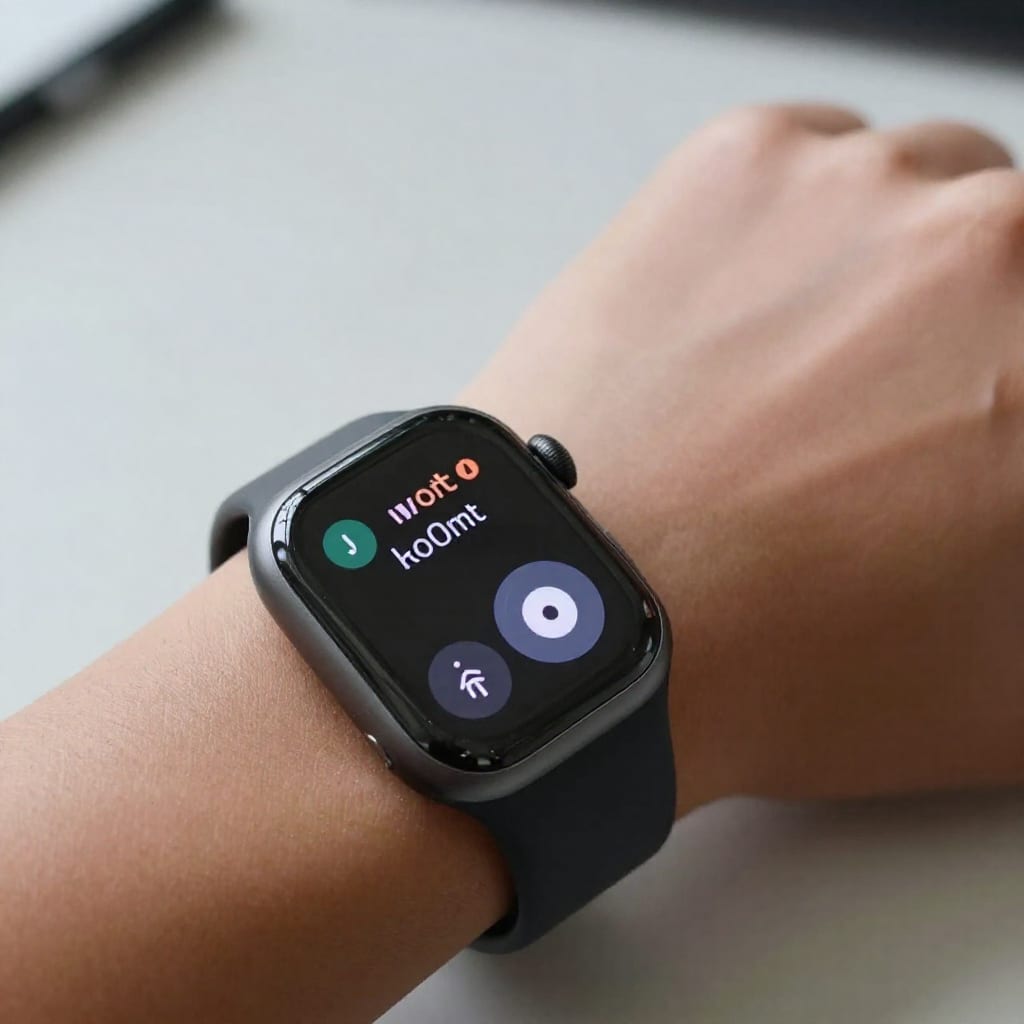
- Smartwatch movement alerts: My Apple Watch buzzes after 50 minutes of inactivity. I don't ignore it anymore. If you don't have a smartwatch, set a repeating alarm on your phone: every 30 minutes, a 2-minute 'move' alarm. I use the default Clock app.
- Standing break apps: Apps like Stand Up! (iOS) or Break Timer (Android) send discreet reminders. Some even show a countdown of how long you've been sitting. I find the visual cue more motivating than a vague alarm.
- Wearable reminders: A cheap vibration timer (like the Vibrating Watch Timer for $15) buzzes your wrist without sound—perfect for meetings or open offices.
The key is consistency: aim for a 2-5 minute movement break every 30-60 minutes. Even 2 minutes of walking in place can reset your metabolism and reduce stiffness. I've been doing this for three months, and my daily step count went from 4,000 to 9,000 without any formal 'exercise' added.
Make Movement Social and Fun (So You Actually Stick With It)
Let's be honest: remembering to move every 30 minutes can feel like a chore. The best way I've found to make it stick is to involve someone else. Accountability turns a boring habit into something you look forward to.
- Walking meetings: Instead of sitting in a conference room, suggest a walking meeting. I do this with a coworker twice a week. We walk around the block while discussing projects. It's productive and adds 20 minutes of movement.
- Movement buddy: Text a friend or partner every time you complete a movement break. I have a group chat where we send a quick 'Moved!' after each break. The social pressure helps.
- Gamify it: Use a step-count challenge app like StepBet or Pacer where you compete with friends. I joined a monthly challenge to hit 8,000 steps daily. If I miss, I lose $5. That's plenty of motivation.
- Turn it into a game: During TV commercials or between episodes, do a set of squats, lunges, or push-ups. I call it 'commercial punishment.' It's silly, but I've done 50 push-ups in a single hour-long show.
This is the strategy that finally made movement feel effortless for me. When it's social, it stops being a 'should' and becomes a 'want to.'
Frequently Asked Questions
How often should I break up sitting time? Aim for a 2-5 minute movement break every 30-60 minutes. The key is frequency, not duration.
Can simple movements really help if I already exercise daily? Yes. NEAT (non-exercise activity thermogenesis) is separate from formal workouts. Even if you exercise an hour a day, the other 15 waking hours matter. Micro-movements keep your metabolism active.
What are the easiest desk exercises for beginners? Seated leg lifts, shoulder rolls, and standing calf raises are good starts. They require no equipment and can be done in under a minute.
Do standing desks actually help with movement? They help reduce sitting time, but you still need to move—standing still isn't enough. Alternate between sitting and standing, and add small movements like weight shifts or calf raises.
How can I remember to move when I'm busy? Use a timer, smartwatch alert, or app like Stand Up! or Time Out. I also set a recurring calendar event called 'Movement Break' that pops up every 45 minutes.
Your Practical Takeaway
You don't need a complete lifestyle overhaul to fight the effects of sitting. Start with one change today: set a timer for every 45 minutes, and when it goes off, stand up and do 10 calf raises. That's it. Over a week, that's 70+ movement breaks. Over a year, that's thousands of minutes of added activity. Your body will thank you.
Worth bookmarking before your next workday—this one small habit can change how you feel by 5 p.m.